In our work with retailers, we routinely see organizations spending 2 to 3x more than necessary on POS hardware replacements. That gap usually comes down to default behavior, not economics. When a device fails, many organizations replace it immediately without evaluating whether repair is the smarter financial move.
Where Hardware Repair Wins
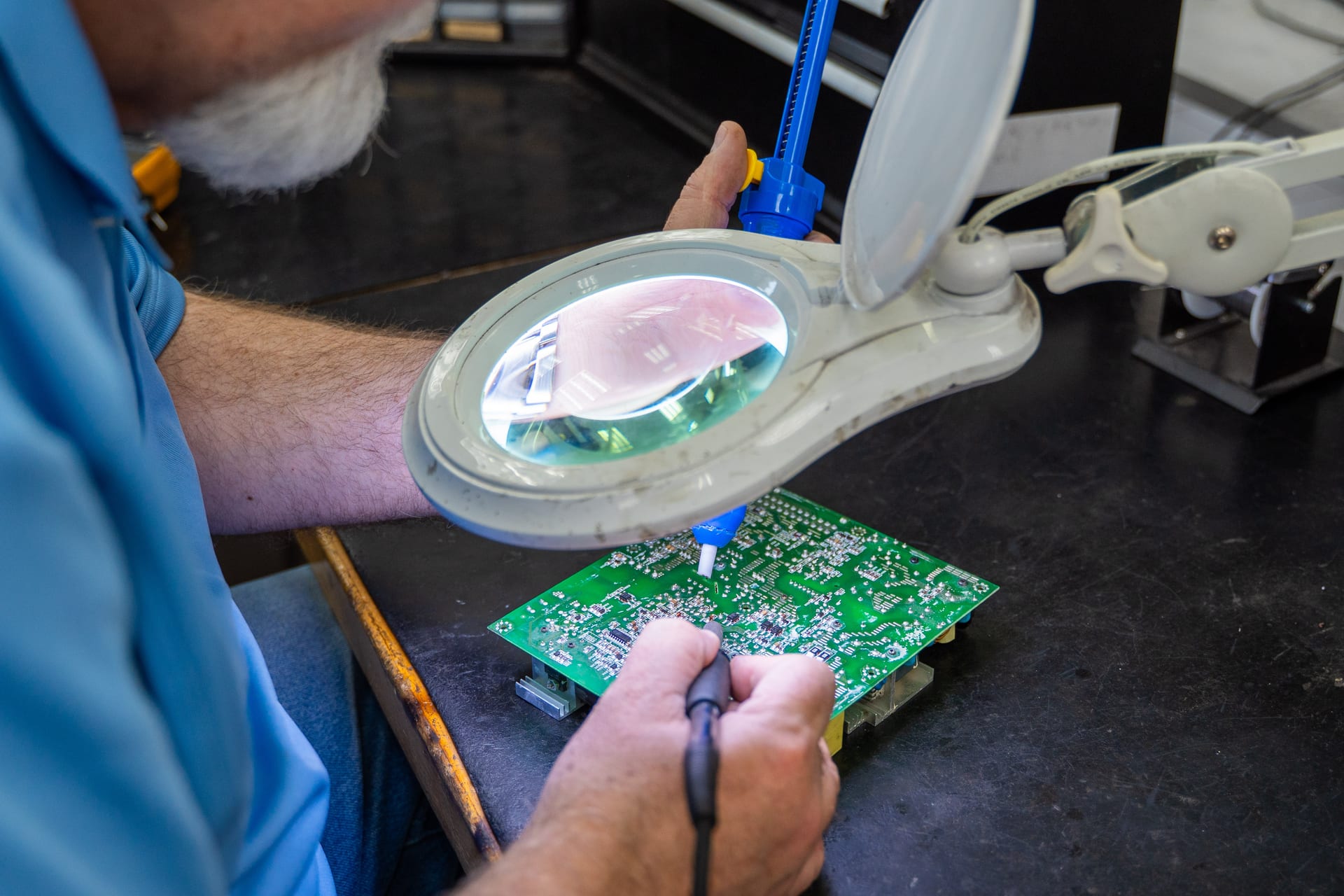
POS hardware repair at the depot level typically costs a fraction of full device replacement for out-of-warranty equipment, especially for high-value components like scanners, payment terminals, and mobile computers. For predictable failures (screens, batteries, print heads) repair is not only cheaper, it is operationally efficient. Extending asset life by even 12 to 24 months materially improves total cost of ownership.
Where Replacement Makes Sense over a Hardware Repair
Replacement is the right call in two clear cases:
- Devices with high repeat failure rates or obsolete components
- Equipment nearing end-of-support, where parts availability becomes constrained and certified repair is no longer realistic
POS Repair Considerations
Three factors should drive the call:
- Failure rate by device type. If failure patterns are consistent and repairable, depot repair should be the default. If a model is failing in new ways every quarter, the data is telling you something.
- Logistics model. A strong partner enables advanced replacement, rapid turnarounds, and visibility into repair status. Without that, repair loses its advantage. You will typically not find this level of logistics from the manufacturer, and you need a partner that can handle multiple device manufacturers across a mixed fleet.
- Inventory strategy. A balanced pool of spares supports repair cycles without disrupting store operations. A good partner provides real-time visibility into spare-pool parts so the buffer never goes stale or runs short.
Bottom Line
If finance is driving and the priority is cost control, repair wins clearly with the right partner. If operations is driving and the priority is uptime, the answer depends entirely on logistics execution and the partner selected. The right answer is not repair or replace. It is building a model that uses both, intentionally.