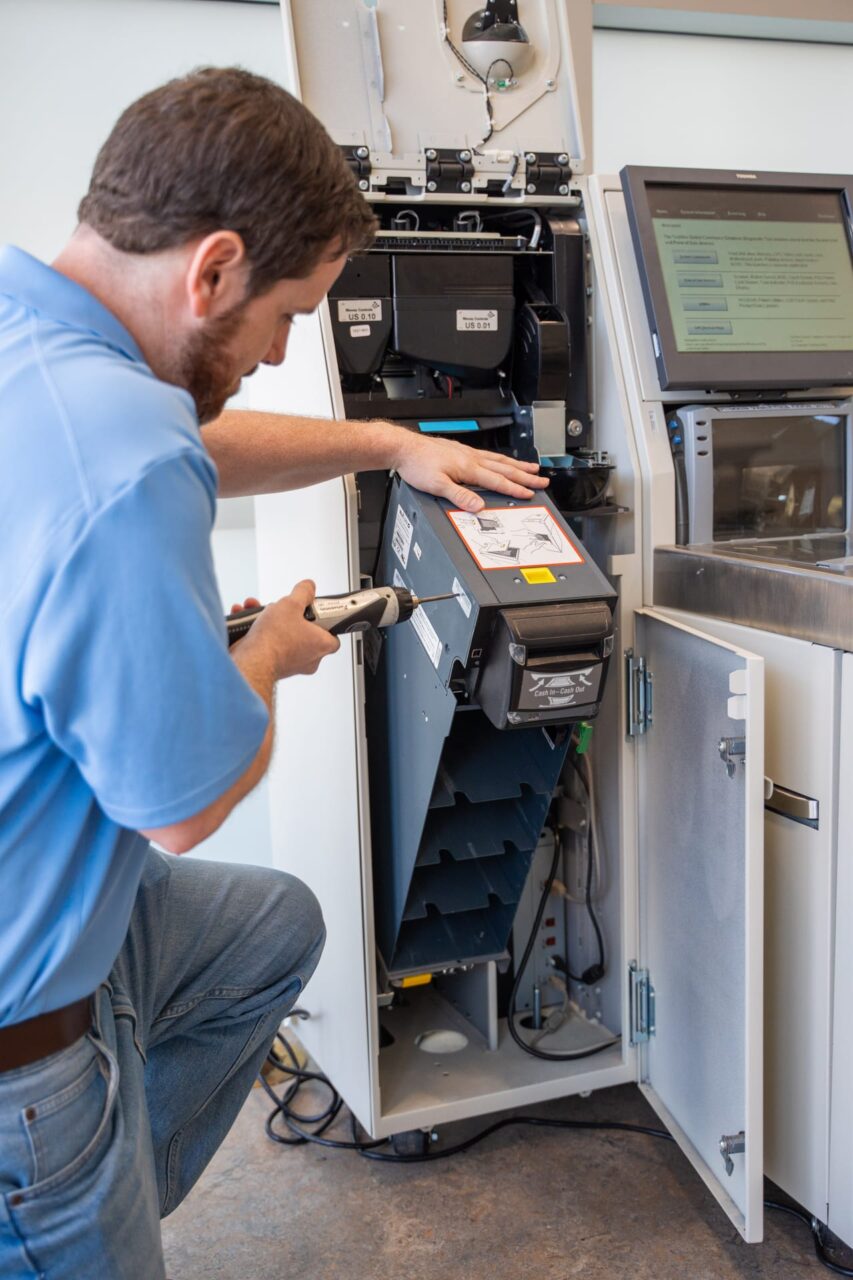
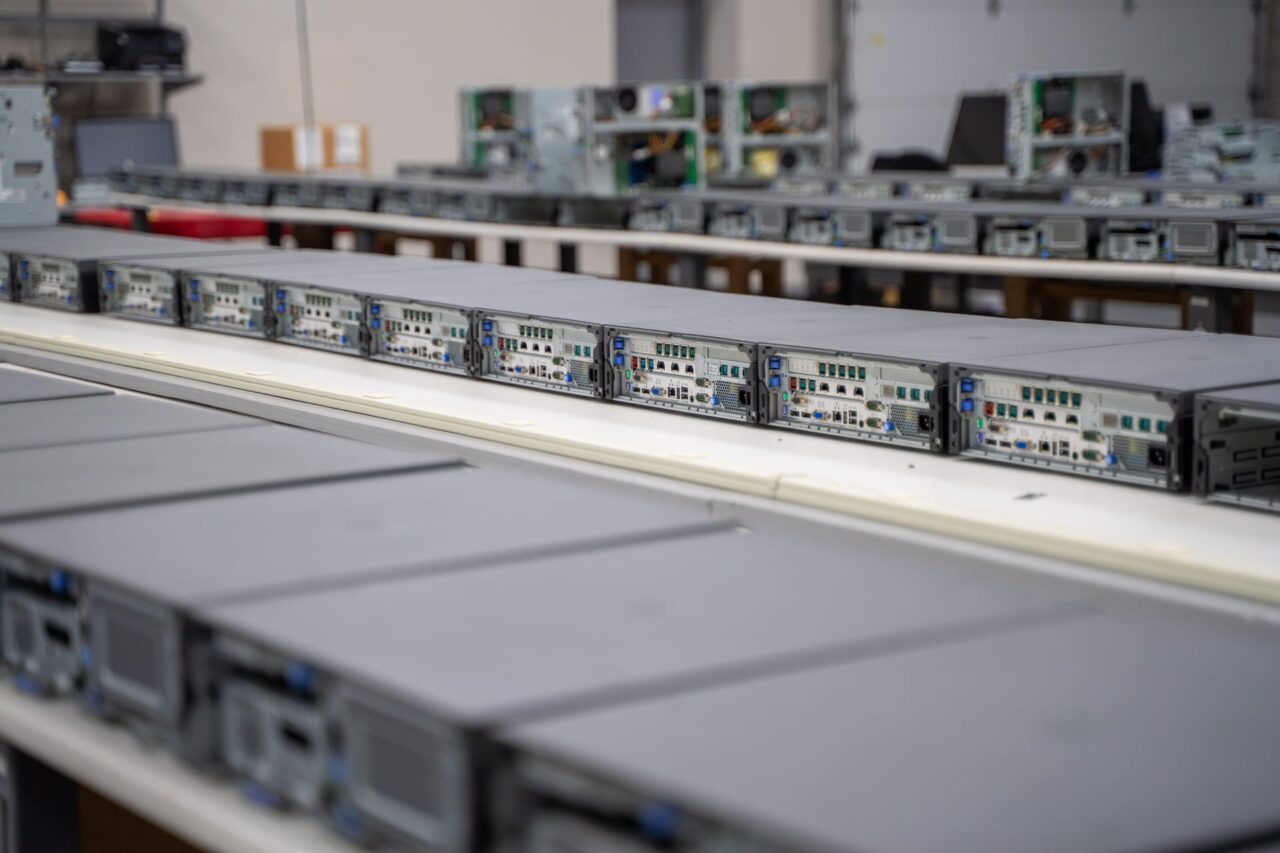
When retail POS systems and IT equipment reach end-of-life, your IT asset disposal process matters more than you think. Many retailers assume they can simply discard old POS terminals and servers, unaware of the significant legal
In our work with retailers, we routinely see organizations spending 2 to 3x more than necessary on POS hardware replacements. That gap usually comes down to default behavior, not economics. When a device fails, many organizations
Most retailers do not realize their payment devices are aging out of compliance until it becomes a problem. By then, the options are limited and expensive. Payment device lifecycle management is what separates the retailers who
Fiber optic networks have become the backbone of modern business connectivity. They move large amounts of data over long distances, resist electrical interference, and support the speed demands of cloud applications, video, security systems, point-of-sale platforms,
Retailers often default to replacement when POS hardware begins to fail. It feels like the safest option—but it is rarely the most economical one. The pressure to maintain operational continuity can drive quick replacement decisions without
Across large retail environments, one issue consistently undermines performance: lack of visibility into the payment estate. According to Gartner, asset visibility remains a top challenge in distributed IT environments. In payments, the impact is immediate and