Retailers have largely stopped planning for a return to pre-2020 labor conditions. Instead, they are accepting a new operating reality: retail labor is more expensive, harder to recruit, and less predictable than it was just a few years ago. The challenge is no longer viewed as temporary; it has become a permanent part of the retail operating model. Industry research from Deloitte notes that labor remains the largest controllable operating expense for most retailers, yet it is also one of the least modernized areas of store operations. Retailers that invest in modern labor management and automation are seeing measurable improvements in productivity while reducing administrative burden.
Why retail labor is now a permanent constraint
Leading operators have stopped treating the workforce squeeze as a passing disruption. Retail labor now sits at the center of store planning as a fixed condition rather than a variable that will ease on its own. That reframing matters, because it changes where investment goes. When labor is treated as permanently constrained, the question shifts from how to hire back to pre-2020 headcount toward how to run a consistent store with the people already on the floor.
Redesigning stores around labor efficiency
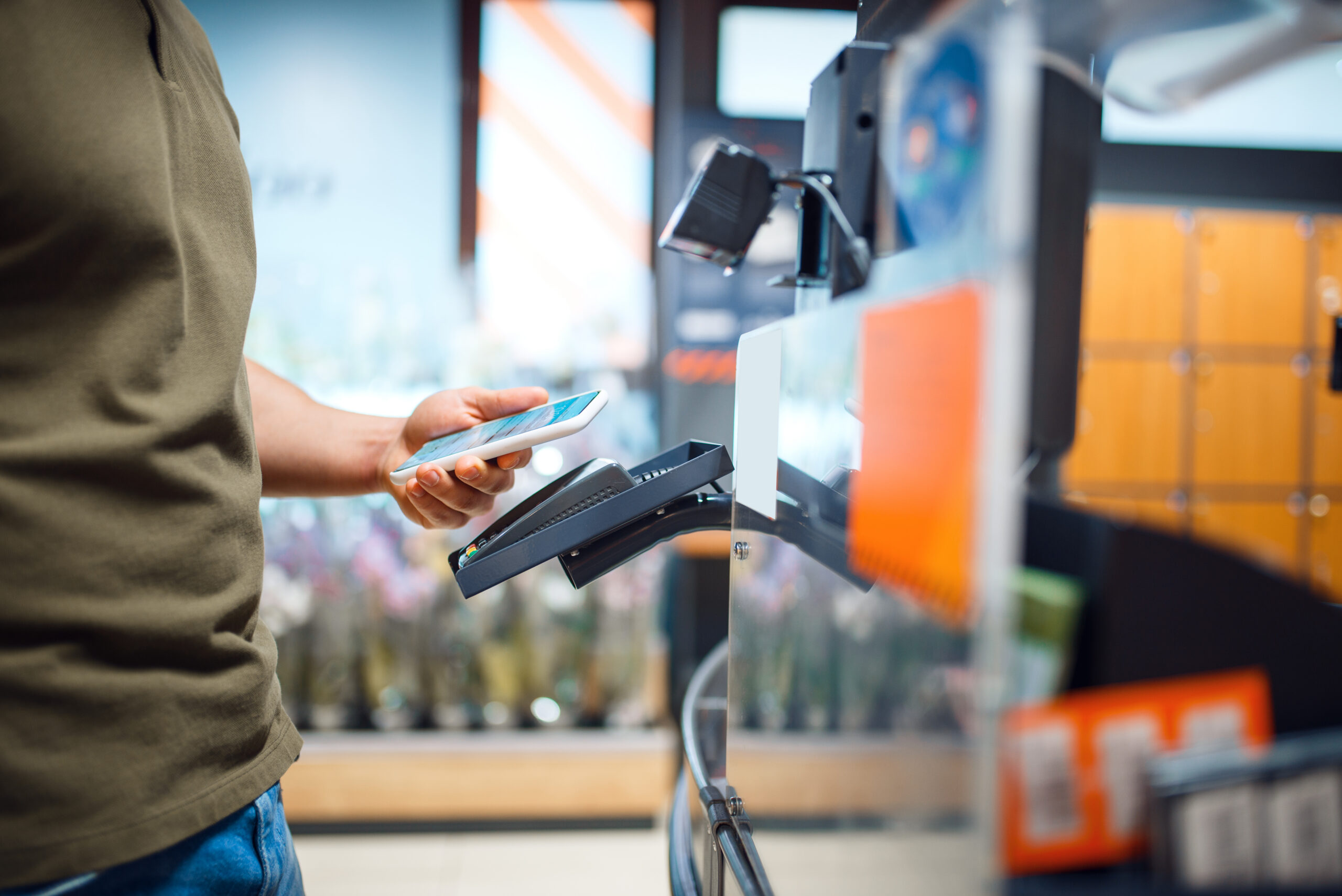
The response from leading retailers has been to redesign operations around labor efficiency rather than labor availability. Instead of depending on additional headcount, they are expanding the use of self-checkout, mobile point-of-sale, automated task management, AI-assisted scheduling, and connected store technologies that allow existing employees to accomplish more with less. These investments are not simply about reducing payroll; they are about creating stores that can operate consistently despite ongoing workforce constraints.
Technology alone does not close the gap
Technology by itself does not solve the problem. Too often, retailers focus on purchasing new hardware and software while overlooking the operational execution required to make those investments successful. Poorly configured devices, incomplete integrations, inconsistent software images, or improperly staged deployments can quickly overwhelm store associates, generate unnecessary help desk tickets, and increase technician dispatches. Instead of improving productivity, poorly executed implementations simply shift work from one part of the organization to another.
Operational discipline as a competitive advantage
That is where operational discipline becomes a competitive advantage. Devices that arrive fully configured, tested, labeled, and integrated with the retailer’s existing systems reduce installation time, minimize startup issues, and improve first-day performance. Reliable infrastructure, standardized deployment processes, and rigorous quality assurance allow store teams to focus on customers instead of troubleshooting technology.
The payoff extends across the equipment lifecycle
The payoff extends well beyond the initial rollout. Proper implementation reduces downtime, lowers support costs, improves asset utilization, and increases store uptime throughout the equipment lifecycle. In an environment where every labor hour matters, eliminating unnecessary work has become just as valuable as reducing labor costs.
Building for a retail labor future
The retailers pulling ahead are not simply investing in new technology; they are building operating models designed for a labor-constrained future. Retail labor is treated as a permanent input to plan around, not a shortfall to wait out. The results are visible in stronger execution, higher service levels, better system reliability, and tighter control over operating expenses.