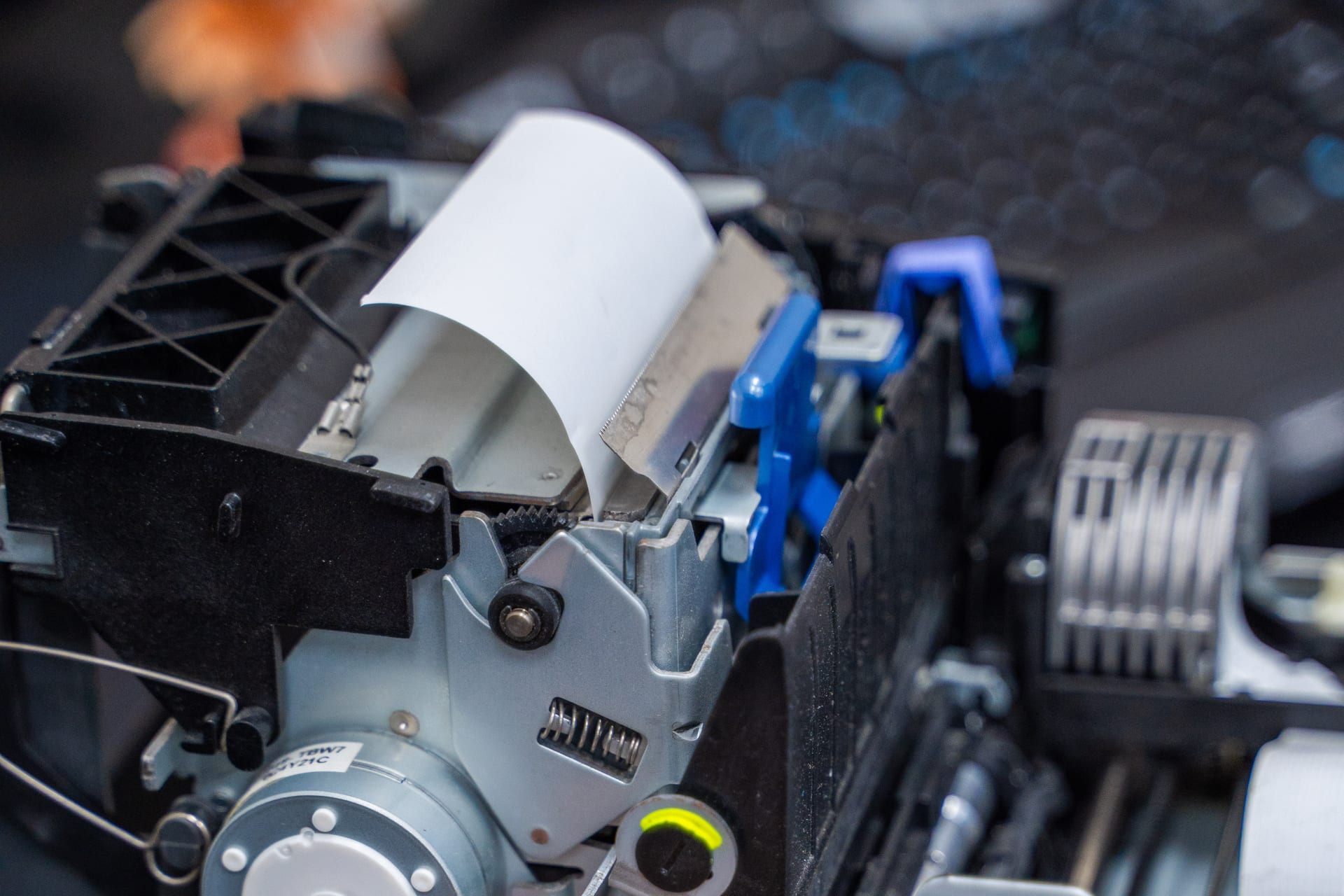
“Stores keep functioning POS hardware in service well past its recommended replacement window, treating cost avoidance as savings while the lifecycle quietly goes unmanaged.”
That gap is where costs quietly compound, and where operational control is either won or lost. Most retailers treat POS as a one-time purchase followed by reactive support. In reality, the POS hardware lifecycle is an investment that requires structured oversight across five distinct stages. Missing even one creates inefficiencies that show up in downtime, excess spend, and avoidable complexity.
1. Procurement: Where the POS Hardware Lifecycle Begins
Strong lifecycle management starts before equipment ever arrives. The right sourcing strategy balances cost, compatibility, and long-term supportability. Retailers who standardize hardware and align with trusted partners reduce variation and avoid downstream integration and maintenance issues.
2. Deployment
Deployment is where speed and precision matter. Pre-configured, tested, and kitted systems dramatically reduce installation time and eliminate the need for highly skilled resources on-site. Done right, deployment becomes repeatable and scalable rather than a fire drill.
3. Maintenance
Ongoing maintenance should be predictable, not reactive. Clear service levels, parts availability, and technician readiness keep stores operational. Retailers that lack structure here often overpay for emergency fixes and suffer unnecessary downtime.
4. Repair and Refurbishment
Repair is not just a cost center; it is a value recovery function. Extending the life of POS assets through structured depot repair and refurbishment reduces capital spend and stabilizes spare inventory. Without this discipline, retailers default to premature replacement.
5. Secure Retirement
The final stage is often the most overlooked and the most risky. Secure de-installation, data destruction, and environmentally responsible disposal are non-negotiable. Poor execution here creates compliance exposure and reputational risk. Aligning destruction practices with the NIST SP 800-88 media sanitization guidelines and using a recycler certified to R2v3 standards keeps retirement both auditable and defensible.
Managing the Full POS Hardware Lifecycle
Retailers that actively manage the full POS hardware lifecycle operate with more control, lower costs, and fewer surprises. Most organizations over-invest in procurement decisions and under-invest in everything that follows. The retailers that win operationally treat lifecycle management as a system, not a series of disconnected activities.