A shopper does not see a point-of-sale system, an order management platform, an inventory database, a payment gateway, and a store network. The shopper sees one retailer. Retail systems integration is essential for maintaining a positive customer impression. When components fail to work in unison, the breakdown becomes visible through declined transactions, missing items, or service delays.
That gap matters because customer expectations are already connected. Salesforce’s State of the Connected Customer research found that 79% of customers expect consistent interactions across departments, while 55% say it generally feels like they are communicating with separate departments rather than one company.
Retail Systems Integration Gaps Create an Operational Tax
The problem is larger than retail. Salesforce’s 2026 Connectivity Benchmark Report found that enterprises now run 957 applications on average, up from 897 a year earlier, and that only 27% of them are integrated. The study surveyed 1,050 IT leaders worldwide across industries, so the figures are not retail-specific; they illustrate the scale of the integration challenge surrounding distributed operations.
In a store, every gap creates work. Associates re-enter information, verify inventory manually, restart devices, or call support. Help desks investigate symptoms across multiple systems. IT teams spend time reconciling logs and ownership instead of addressing the underlying failure. The expense is spread across labor, longer incidents, abandoned purchases, fulfillment exceptions, and repeat service calls. This distribution makes the total cost easy to underestimate.
Integration Must Reach the Store Environment
APIs and data flows are only part of the answer. A connected retail experience also depends on consistent device images, firmware, security certificates, payment configurations, peripherals, wireless coverage, network segmentation, and access to required services.
This is especially important as digital and physical shopping converge. In an IBM Institute for Business Value study of 20,000 consumers across 26 countries, 65% said they use mobile apps while shopping in stores. A store network or inventory feed is therefore part of the customer journey, not merely back-office infrastructure.
Validate Before Technology Reaches the Store
Retailers can reduce variability by treating integration as a repeatable readiness process:
- Define an approved configuration for each device and store type.
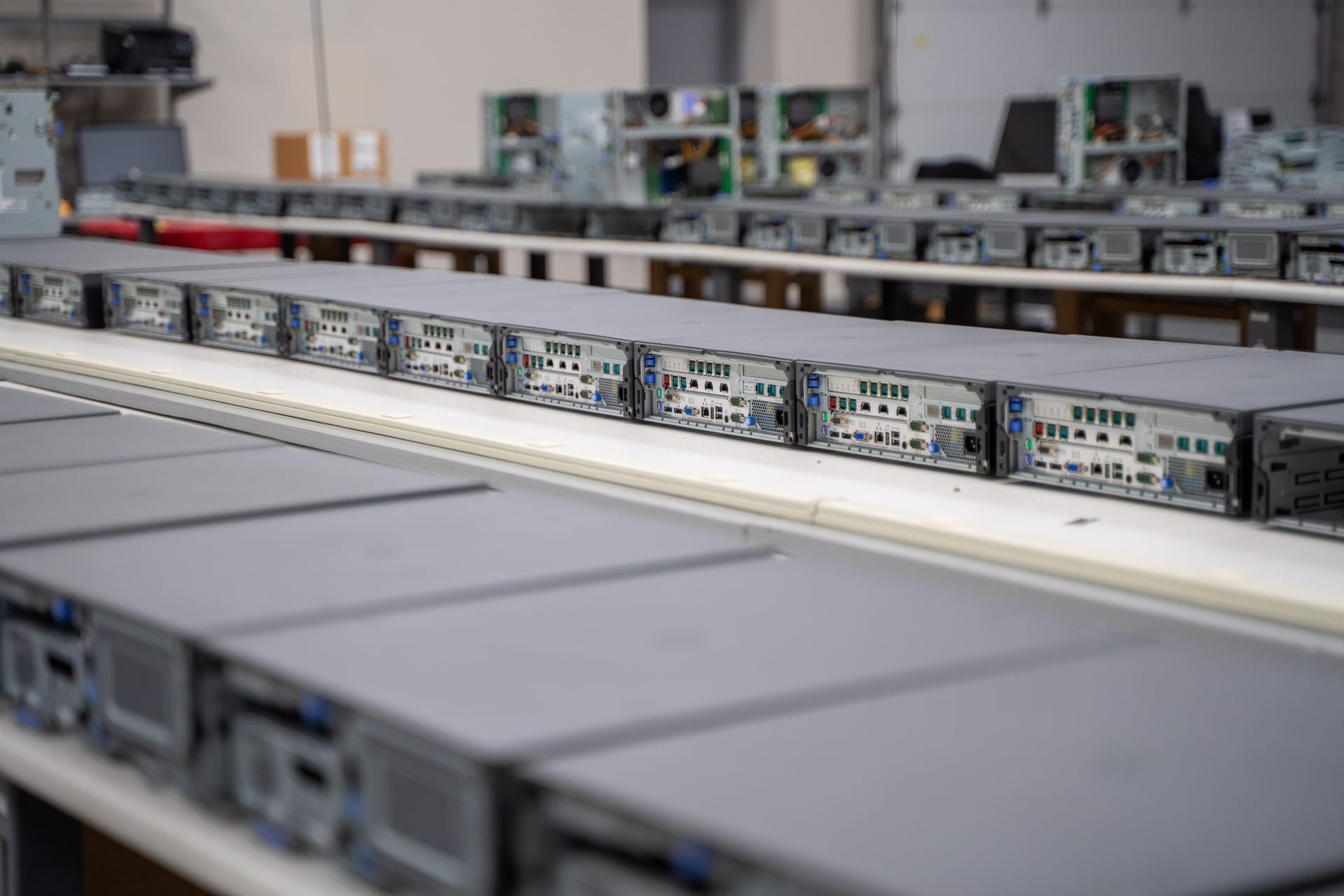
- Stage hardware, software, peripherals, and connectivity together.
- Test complete workflows, including payments, returns, promotions, pickup, and failure recovery.
- Record versions, serial numbers, network settings, and test results before shipment.
- Pilot the build in a representative store, then feed lessons back into the standard.
Centralized staging and validation will not eliminate every incident. It can, however, expose configuration errors and dependency failures in a controlled environment, where they are easier to diagnose than during a live rollout.
Turning Readiness Into a Repeatable Program
At Asset Enterprises, we help retailers stage, configure, test, and deploy store technology as a repeatable operational program, so each location begins from a known, supportable baseline rather than from whatever arrived in the box.
Bottom Line: Retail Systems Integration Is Won in the Store
Disconnected systems cost retailers through friction: more manual work, harder support, inconsistent fulfillment, and customer-facing failures. The practical response is to connect software integration with infrastructure standards and pre-deployment testing, so the readiness work carries the same weight as the data work. The shopper only ever sees the result.