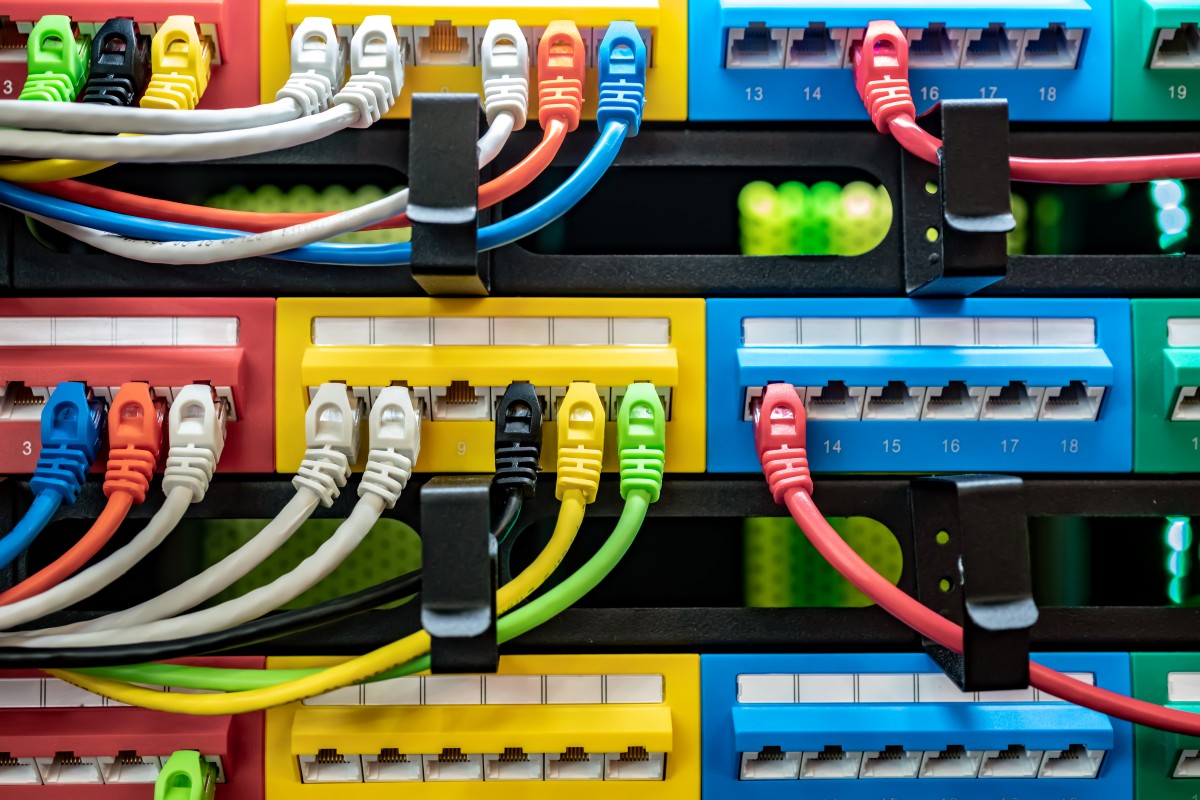
Retail structured cabling is a long-term investment in uptime, performance, and scalability, and it keeps paying or costing long after the installer leaves. Most organizations invest heavily in hardware, software, and security, yet the physical layer connecting every system is the easiest one to overlook. When that foundation is inconsistent or poorly documented, even the best technology cannot perform reliably.
The Business Case for Retail Structured Cabling Is Getting Stronger
Recent research reinforces the importance of resilient network infrastructure. Uptime Institute’s Annual Outage Analysis 2026 reports that outages linked to fiber and connectivity issues are rising across publicly reported incidents and are more likely to result in extended disruptions. The same report found that 57% of respondents said their most recent major outage cost more than $100,000, and for the second year running, one in five reported a cost above $1 million.
The trend runs wider than one report. Uptime Institute’s 2025 analysis found that IT and networking issues accounted for 23% of impactful outages in 2024. Not every network outage begins with premises cabling, but the findings underscore a practical point: connectivity failures deserve the same disciplined risk management as power, cybersecurity, and critical applications.
Consistency Makes Every Location Easier to Support
Across multi-site retail and distributed environments, standardized cabling helps every location perform the same way. Common pathways, labeling conventions, rack layouts, materials, and test requirements reduce the variability that causes recurring trouble.
That consistency also simplifies troubleshooting. When every cable is labeled, documented, tested, and certified to the applicable standard, technicians can identify faults faster and spend more time resolving the problem. The result is a shorter mean time to repair, fewer repeat visits, and less disruption at the register.
Build for Uptime and for What Comes Next
Point-of-sale systems, payment devices, wireless access points, cameras, digital signage, and back-office systems all depend on stable physical connections. Damaged terminations, excessive cable length, poor pathway planning, or inadequate testing can create intermittent failures that are difficult and expensive to diagnose.
A well-designed structured cabling system also makes growth easier. New devices, higher bandwidth, Power over Ethernet, and evolving store technology all place new demands on the network. Planning spare capacity today can prevent a costly rip-and-replace project tomorrow.
Three Actions to Start With
- Establish one cabling standard for every site, covering design, labeling, rack layout, and materials.
- Require test results and updated as-built documentation before accepting any work.
- Schedule periodic inspections of racks, patching, labels, and high-risk areas.
Turning Requirements Into a Repeatable Model
At Asset Enterprises, we help turn those requirements into a repeatable rollout and support model across your locations, so a single standard holds from the first store to the hundredth rather than drifting site by site.
Bottom Line: Retail Structured Cabling Protects Everything Above It
Cutting corners on cabling creates long-term operational cost. Investing upfront in standardized design, quality installation, certification, and documentation protects uptime, speeds service, and provides room to scale. If the foundation is weak, everything built on top of it carries that risk.